
Platelet-Rich Plasma (PRP) Therapy
A regenerative treatment that uses your body’s natural healing factors to support tissue repair and stimulate recovery.
What is PRP?
Platelet-Rich Plasma (PRP) is created by drawing a small sample of a patient’s blood and processing it to concentrate the platelets. Platelets contain growth factors that play an important role in the body’s natural healing process.
Once prepared, the PRP is injected into the targeted area. These growth factors may help stimulate tissue repair, improve circulation, and reduce inflammation.
PRP is widely used in sports medicine, orthopedics, and dermatology because it harnesses the body’s own biology to support healing.
Key Advantages

Is PRP Right for You?
Who May Benefit From PRP
PRP therapy may be considered for patients who:
Treatments Offered
Joint and Musculoskeletal Conditions
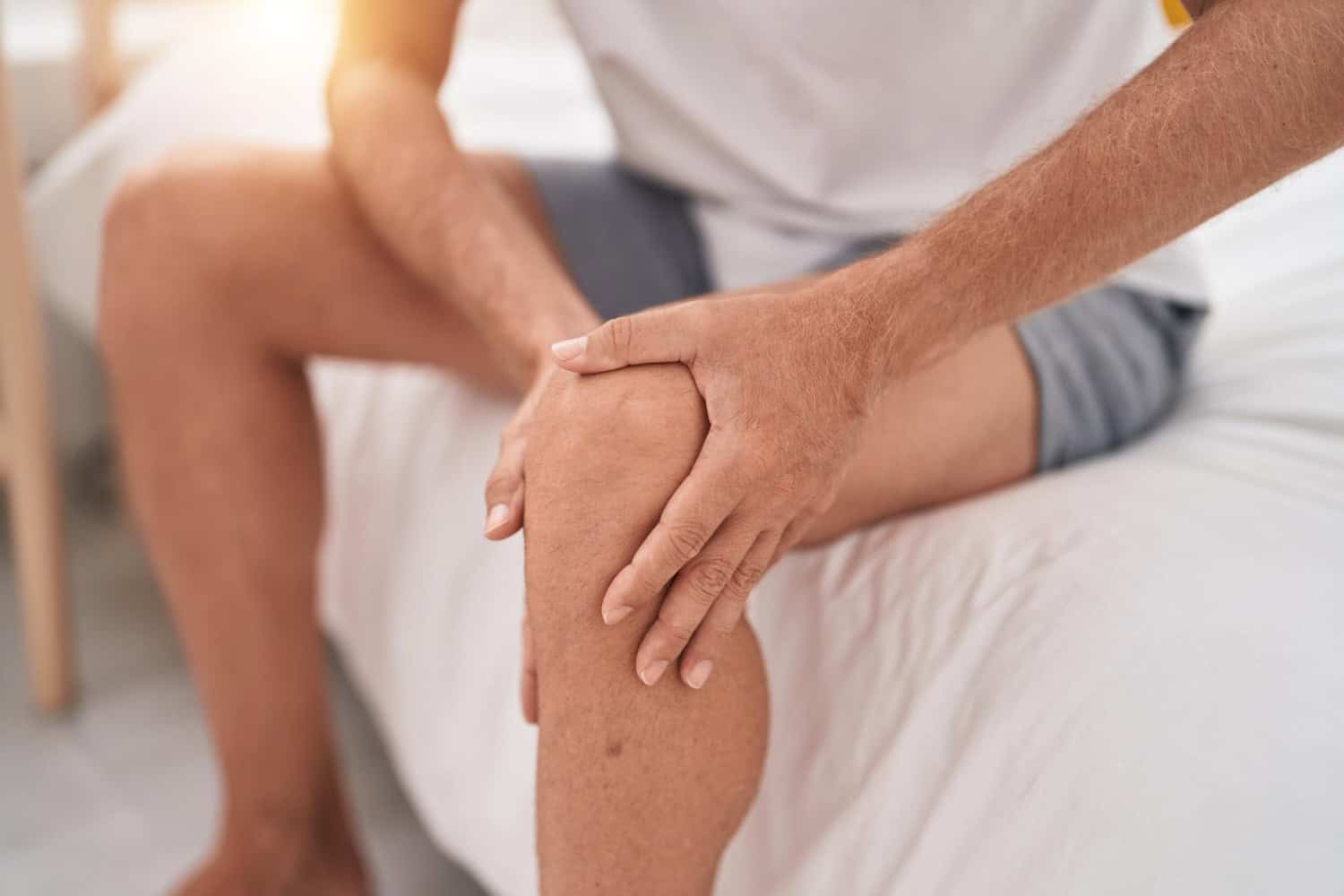
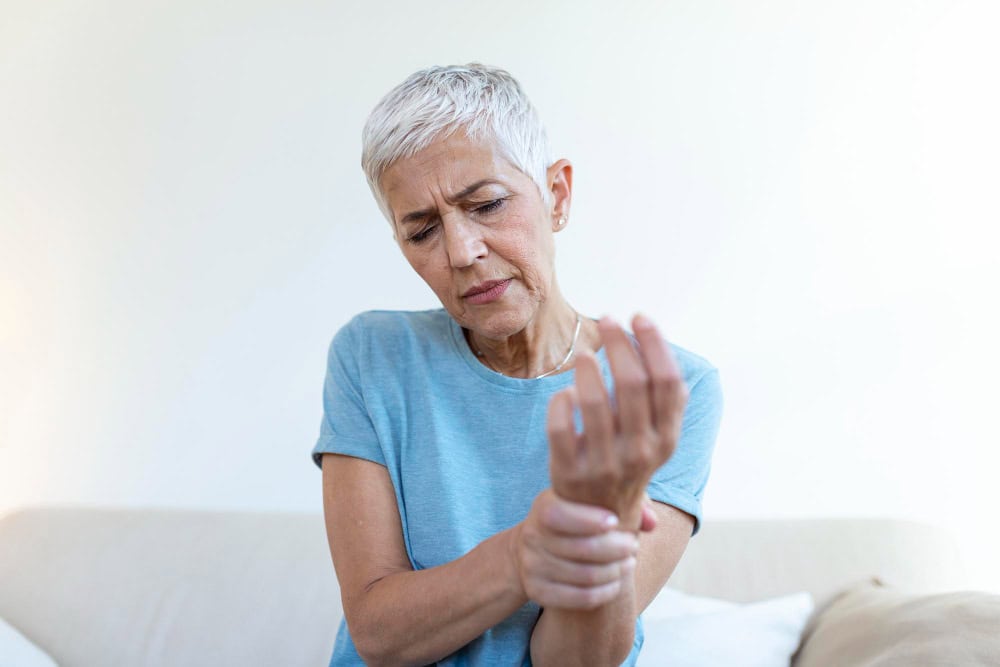
PRP injections may help reduce pain and improve function in certain joint conditions, including knee, shoulder, and tendon injuries.

Hair Restoration
PRP therapy can stimulate hair follicles and support natural hair growth for patients experiencing hair thinning.

Cortisone injections
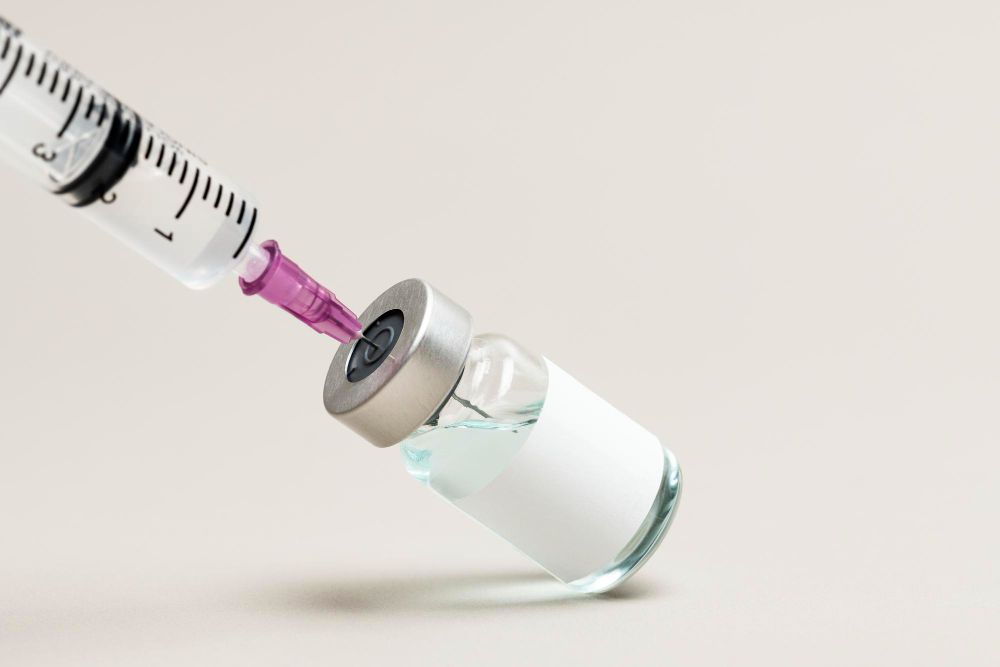
Cortisone injections are used to reduce inflammation and relieve pain in targeted areas of the body.
Hyaluronic acid injections
Hyaluronic acid (HA) injections help lubricate joints and restore moisture and volume to the skin.
The PRP Treatment Process
What to Expect During Treatment
The entire procedure typically takes 30–60 minutes.
Consultation
An associate will review your medical history and determine whether PRP therapy may be appropriate.
Blood Collection
Blood is drawn from your arm, similar to a routine blood test.
PRP Preparation
The blood sample is placed in a centrifuge to separate and concentrate the platelets.
Targeted Injection
The concentrated PRP is injected into the treatment area to stimulate healing.
Preparing for Your PRP Treatment
To help ensure the best results, patients may be advised to:
Avoid anti-inflammatory medications before treatment
These can “turn off” your platelets, making the treatment less effective since PRP relies on a natural inflammatory response to heal.
Stay well hydrated before the procedure
Higher water intake increases blood volume, making the blood draw easier and improving the quality of the plasma.
Inform your physician about any medications you are taking
Certain drugs (like blood thinners or steroids) can increase bruising or interfere with how well your platelets work.
Eat a light meal before your appointment
This stabilizes your blood sugar to prevent dizziness, nausea, or fainting during the blood draw.
Post-Treatment Guide
Following treatment, patients may experience mild soreness or swelling at the injection site.
Post-treatment recommendations may include:
Avoid strenuous activity for several days
Rest allows the injected platelets to stay in the target area and begin the healing process without being displaced or irritated by physical strain.
Avoid anti-inflammatory medications unless instructed otherwise
Continuing to skip these (like Ibuprofen) ensures you don’t “turn off” the natural inflammation needed to trigger tissue repair.
Apply ice if recommended by your physician
If recommended, short sessions of icing help manage immediate swelling or “throbbing” at the injection site without stopping the healing process.
Gradually return to normal activity as advised
Slowly increasing movement prevents re-injury while the new tissue is still fragile and strengthening.